


Classic Norway Hotels
In 1869, the British yacht Nereid anchored in Geiranger. On board were some of the valley’s very first independent travellers – explorers, botanists, and curious observers drawn to waterfalls and wild landscapes. They spent hours beneath the Seven Sisters waterfall, sketching and writing in their journals, fascinated by nature’s drama.
At the time, locals viewed these foreign visitors with both curiosity and scepticism. Tourism was unknown here. Most guests slept on their ships, coming ashore only briefly. Still, something had begun.
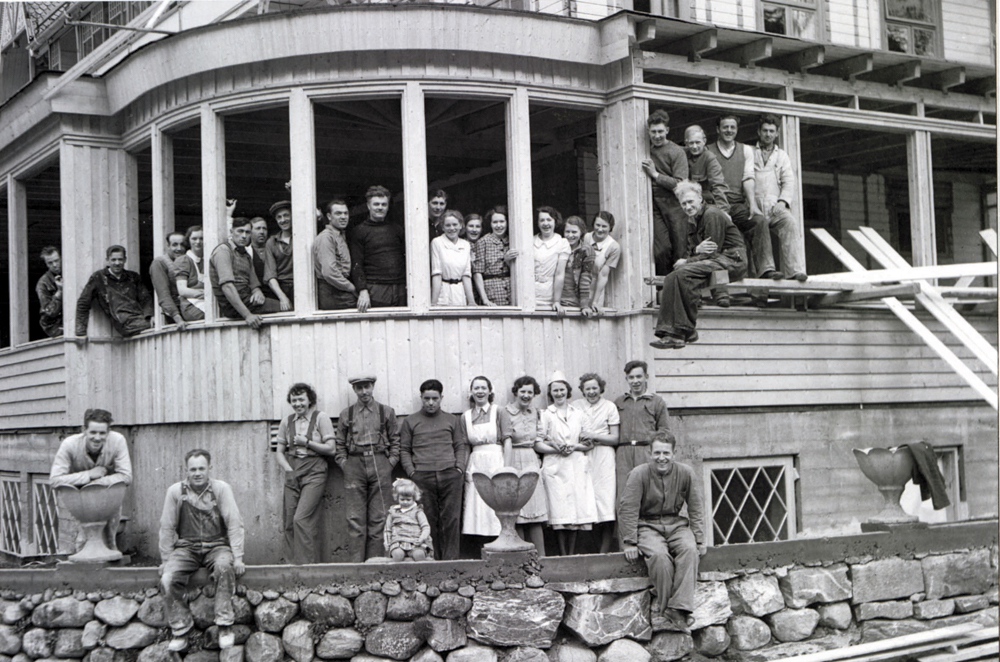
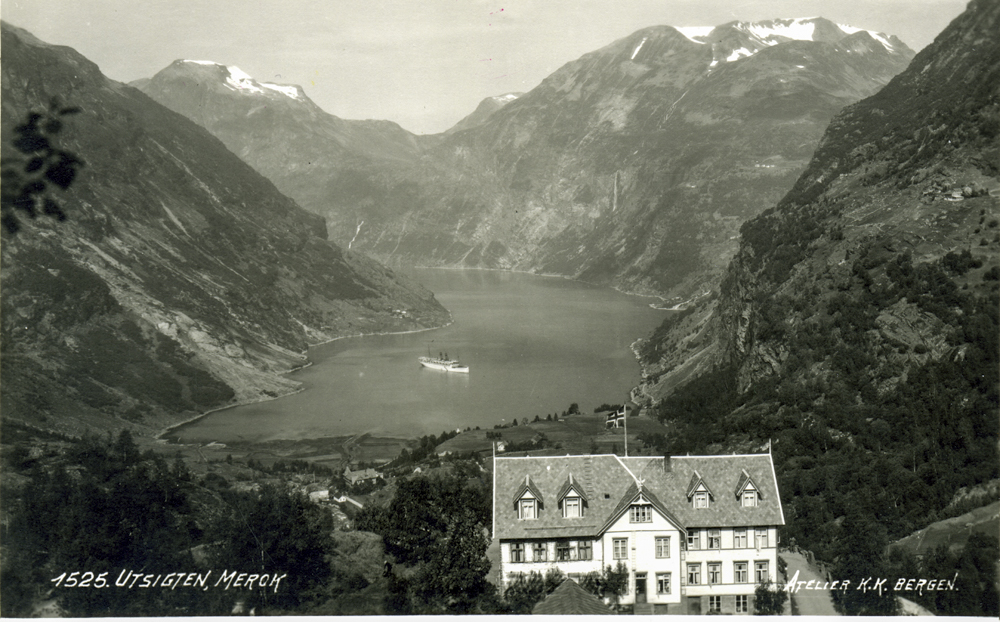
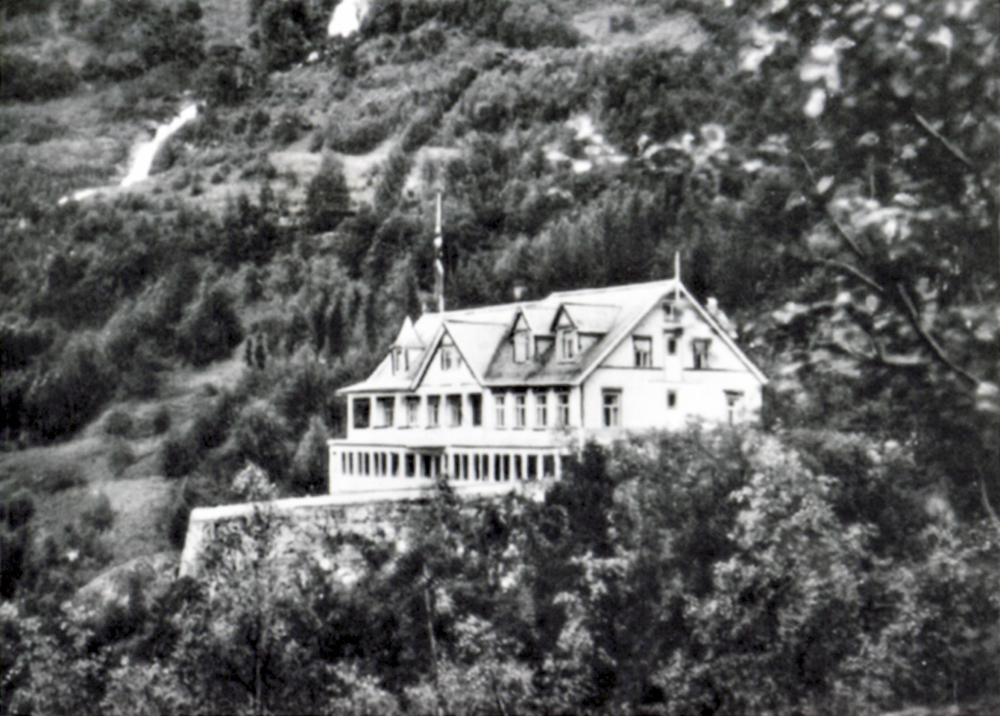
As mountain roads opened in the late 1800s, access improved dramatically. Steamships started arriving regularly, and with them came opportunity. Within just ten years, five hotels were established in this small fjord village. What had been a quiet farming community became one of Norway’s earliest fjord destinations.
Storytelling also shaped Geiranger’s identity. Waterfalls were given names – the Seven Sisters, the Suitor, the Bridal Veil – and the landscape itself became part of a romantic narrative that still captures travellers today.
Cruise ships soon followed. By the early 1900s, vessels such as the British steam yacht Ceylon visited throughout the summer season. Geiranger had found its place on the map.
Today, when you stand above the fjord and watch a ship glide silently through the water, you are witnessing a tradition that began more than a century ago.
